

REACH OUT & READ 2026
Landscape Analysis & Expansion Strategy Summary Report
DRIVING BETTER PATIENT OUTCOMES
with Science-backed, Clinic-based Programming
Introduction & Purpose
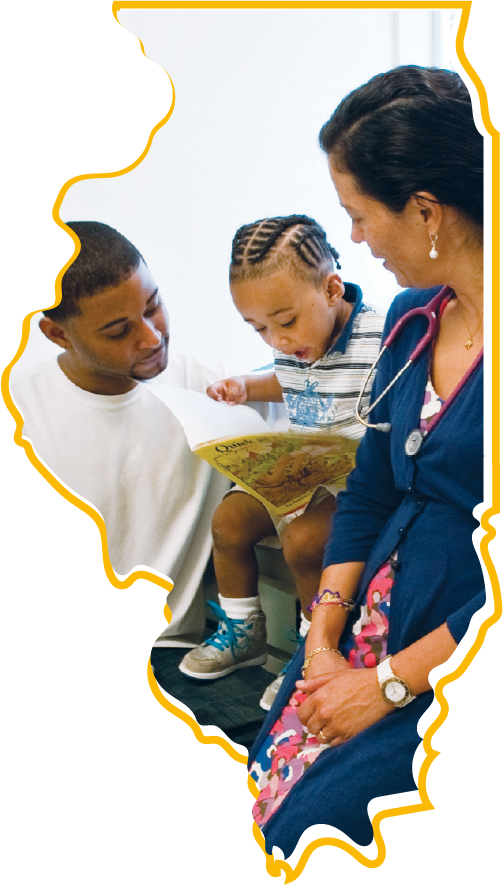
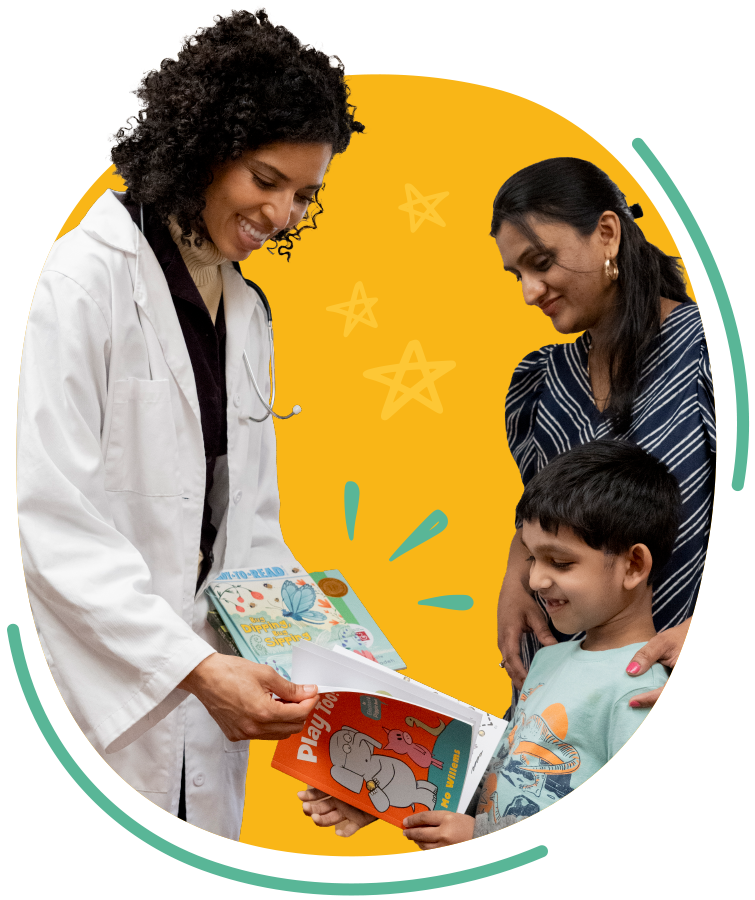
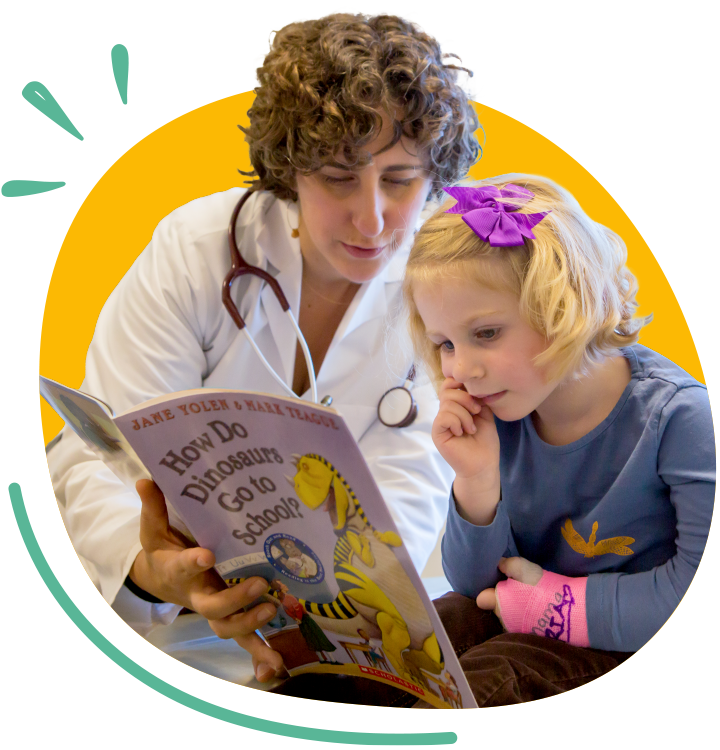
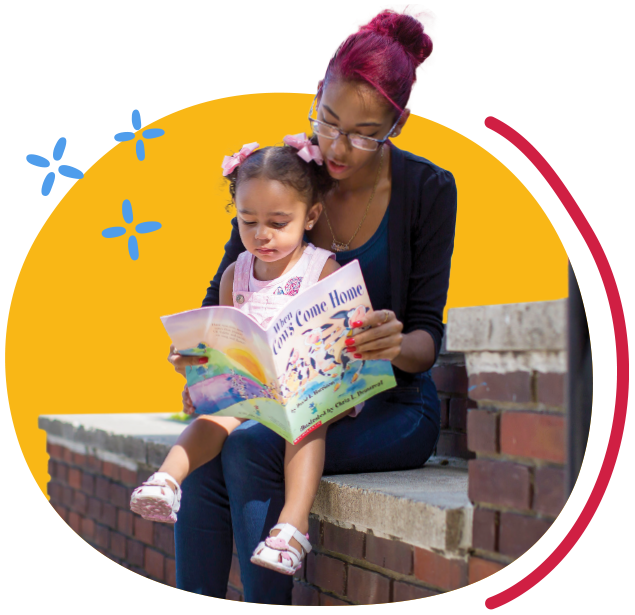
Reach Out & Read Illinois (ROR IL) is an evidence-based early literacy program that integrates books and reading guidance into pediatric care to improve school readiness and caregiver-child bonding. During routine well-child visits, trained clinicians give age-appropriate books to children from birth through age five and coach caregivers on how to make reading part of daily life.
Today, ROR Illinois operates in approximately 200 clinics statewide, distributing over 200,000 books each year, reaching over 180,000 children and families throughout Illinois. However, many under-resourced communities remain disconnected from these services, particularly in rural and low-income areas. To address this gap, ROR Illinois conducted a comprehensive landscape analysis.
The goals of the analysis included




Where the Need Is Greatest

- No ROR sites
- 25%+ of children in poverty
- Rural healthcare and literacy access challenges
Nearly 1 in 4 children live below the poverty line, which is significantly higher than the state average. The county’s limited healthcare infrastructure is compounded by geographic isolation; families often must travel over 30 minutes for basic pediatric services. The local library’s reach is constrained by geography, limited hours, and transportation challenges. There are no ROR clinics within the county, and the nearest sites require considerable travel.
- 1 ROR site, not serving the highest-need neighborhoods
- Nearly 20% child poverty
- Gaps in East and North Springfield
- Strategic location for visibility and advocacy
Nearly 1 in 5 children under age 5 in Springfield lives in poverty, with higher rates in the city’s east and north sides. Families in outlying parts of the county experience long drive times to hospitals or pediatric providers. As the state capital, Springfield offers proximity to state agencies, healthcare associations, and policymakers, an opportunity to elevate the program’s visibility and policy impact statewide.
- No current ROR sites
- High child poverty (>15%)
- Long travel times to clinics and libraries
- Concentrated need in towns like Bureau Junction and DePue
This region represents a significant geographic gap in coverage. Families face difficulty accessing consistent pediatric care due to a shortage of local providers. Hospital drive-time analysis confirms limited healthcare infrastructure, which restricts well-child visit access. Public libraries in rural parts of the Illinois Valley are often part-time or under-resourced, and some families live more than 20 minutes from the nearest branch.
- Only 1 ROR site, not located near high-need areas
- 16%+ of young children in poverty
- Transportation limits library access
- Strong early childhood network ready to support growth
Despite a strong community foundation, McLean County remains significantly underserved. Higher poverty concentrations exist in specific Bloomington and Normal zip codes. The county has an active early childhood collaborative that includes educators, healthcare providers, social service organizations, and local funders, creating a support system for program integration. Multiple pediatric clinics and family health centers serve large, diverse patient populations but are not yet part of the ROR network.
- 1 site, high poverty (>20%)
- Uneven access to libraries and healthcare
- Strong local partners (e.g., university, libraries)
Over 20% of children under 5 live in poverty, with higher rates in north Champaign and east Urbana. The existing ROR partner, Promise Healthcare, has shown strong interest in expanding the program within its broader health system. Families outside city centers face significant drive times to pediatric clinics. The University of Illinois’s library science program offers a potential partnership for cross-sector collaboration.
- 45%+ of children in poverty
- A few ROR clinics exist in this area already and are supported directly by a separate health system outside of Illinois
- High-need area with opportunity for FQHC partnerships
East St. Louis has one of the highest child poverty rates in the state. Families face intersecting challenges including limited healthcare access, economic instability, and housing insecurity. Healthcare providers have closed or reduced services, and many residents rely on federally qualified health centers or emergency departments as their primary point of care. National ROR already has a presence in this region; ROR Illinois is working to clarify its affiliate role before advancing expansion. This remains a longer-term priority with significant potential.
- Child poverty often >30%
- Reduced pediatric access due to clinic closures
- Strong existing community networks
Neighborhoods such as Englewood, Austin, North Lawndale, and Roseland, along with South Suburban communities like Harvey, Robbins, Ford Heights, and Dolton, face deeply entrenched disparities in healthcare access and early childhood resources. Over the last decade, several safety-net hospitals have closed or reduced pediatric services, increasing travel burdens on families. These communities are also home to dedicated healthcare providers and early childhood coalitions that offer partnership opportunities for sustainable program growth.
Methodology
The landscape analysis followed a multi-step process designed to identify not only where the need is greatest, but where investment can have the most sustainable impact:
- Reviewing Existing Data
Network surveys captured site-level feedback on capacity, interest in expansion, and implementation barriers. Book distribution numbers and clinic locations were mapped and assessed for geographic reach. - Identifying Geographic Gaps
Through geospatial analysis and demographic overlays, the team pinpointed zip codes and counties with high child populations and low access to early literacy resources, comparing urban and rural distribution patterns. - Drive-Time Analysis
Drive-time service areas were calculated for each ROR site and for hospitals across the state. This revealed how far families must travel to reach the nearest ROR provider or pediatric care setting. Areas with long drive times indicate gaps in service availability, particularly in rural regions. Hospital drive times served as a proxy for understanding where the healthcare infrastructure exists to support new clinic partnerships. - Assessing Clinic Readiness
Using survey and site visit data, ROR Illinois evaluated clinic-level penetration rates alongside readiness indicators such as champion staff, infrastructure for book storage, and staff capacity. - Gathering Qualitative Insights
ROR Illinois convened clinician focus groups representing diverse site types and geographies. Topics included implementation successes, common barriers, equity and cultural responsiveness, and innovative practices. - Incorporating Supplemental Data
The analysis drew on poverty rates, insurance coverage, education levels, race and ethnicity demographics, the Child Opportunity Index, library locations, and the ESRI Socioeconomic Index to build a layered picture of community need.
Key Data Insights
The analysis incorporated several core metrics:

Drive-Time Analysis:
Showed where long travel distances reduce access to pediatric care and, by extension, to ROR services. In several priority regions, families must travel 30 or more minutes to reach the nearest provider.

Poverty Among Children Ages 0-5:
Highlighted where literacy interventions are most needed. Child poverty rates in priority expansion regions range from over 15% to above 45%.

Health Insurance Gaps:
Identified areas where uninsured children under 19 signal limited engagement with primary care, which are necessary for ROR delivery.

Library Access:
Mapped public libraries to identify partnership potential and resource alignment. Gaps in library access increase reliance on clinic-based programs like ROR.

Race/Ethnicity and Socioeconomic Indicators:
Ensured racial and linguistic equity in targeting new sites, including data on Hispanic and Black youth populations and adult educational attainment.
This approach means ROR Illinois can direct resources to communities where children need them most and where the healthcare infrastructure and community partnerships exist to support lasting results.
A STRONG FOUNDATION
Strengthening Our Network
What We Heard from the Field
In 2025, ROR Illinois surveyed 62 clinics across 32 counties, the broadest assessment of the program’s network to date. The results show a program that is valued by providers and positioned for growth.
Over half of respondents (33 of 62) indicated interest in expanding Reach Out & Read at their sites. An additional 22 respondents (35%) selected “unsure,” suggesting an opportunity for education and outreach about what expansion involves. Only 7 of 62 respondents said no.
When asked whether families experience challenges seeking services, 30 respondents said yes and 21 were unsure, meaning more than 80% of clinics either see or suspect service barriers among the families they serve. Among the challenges most frequently cited were financial stress, food insecurity, transportation barriers, and language access.
While 48 of 62 clinics reported a public library nearby, far fewer have formal partnerships with those libraries. This represents a significant untapped opportunity for shared programming and joint funding.
On well-child visit attendance, the core delivery mechanism for ROR, nearly 70% of respondents reported that patients do not miss visits, consistent with national ROR data on well-child visit compliance.

Building Strategic Partnerships
Sustainable growth requires cross-sector partnerships. ROR Illinois is working with libraries, early childhood coalitions, public health agencies, and community-based organizations to expand the infrastructure around early literacy.
- In regions like McLean, Champaign, and Springfield, established early childhood councils, Head Start networks, and family support programs offer opportunities to co-apply for grants and integrate services.
- Community-based organizations, including housing authorities, immigrant resource centers, and family wellness hubs, can contribute referral pipelines and on-the-ground support.
- Library partnerships present opportunities for shared programming and joint funding proposals, particularly in underserved areas where library branches may operate with reduced hours or limited resources.
Deepening Investment
in Existing Sites
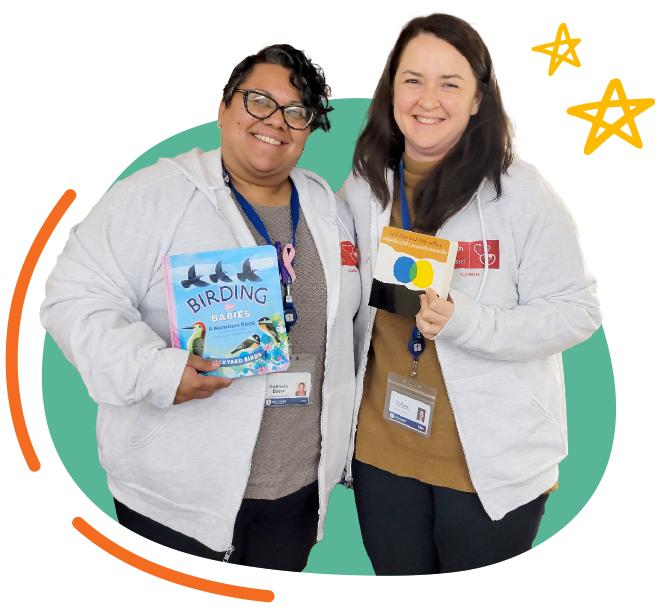
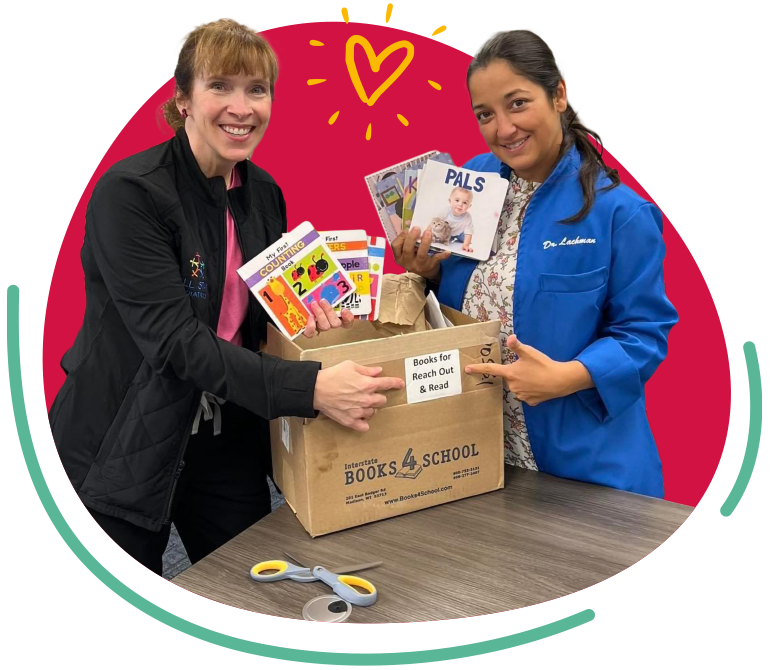
Growth does not only mean new sites. ROR Illinois is committed to strengthening the clinics already delivering this program, ensuring they have the resources and support to serve more families effectively.
- Identify and fund high-readiness clinics that demonstrated expansion capacity through the 2025 Landscape Survey and site visit data.
- Explore peer learning opportunities that connect experienced sites with newer clinics to share best practices.
- Offer targeted support for staffing or workflow improvements, book storage solutions, and parent engagement materials in multiple languages.
LOOKING AHEAD:
Data, Growth, & Leadership
Enhancing Data Systems and Evaluation Capacity
ROR Illinois is building a foundation for continuous improvement and accountability across its network. Key priorities include:
- Streamlining clinic surveys to boost qualitative data collection and reduce inconsistent reporting in areas such as travel time, library partnerships, and missed visits.
- Building internal tracking tools that give ROR IL staff clearer visibility into book distribution and family engagement across the network — without adding reporting burden to clinics.
- Developing a statewide dashboard that integrates with existing ROR database to visualize book distribution by geography, clinic-level penetration and readiness and key equity indicators such as poverty rates, insurance status, and access barriers.
A Framework for Responsible Growth
ROR Illinois has developed a decision-making framework to evaluate every expansion opportunity, whether it comes through strategic outreach or organic clinic interest. Each potential site is scored across four domains:
Equity & Community Need:
Does the site serve a population that is historically underserved, with overlapping indicators including child poverty, uninsured families, and limited early literacy resources?
Regional Impact & Access Gaps:
Is this site within or near a designated high-priority region with documented service gaps and long drive times to existing ROR sites?
Strategic Alignment & Partnership Potential:
Does the site align with current or upcoming funding opportunities, and are there cross-sector partners such as federally qualified health centers (FQHCs), libraries, or early childhood collaboratives?
Clinic Readiness & Capacity:
Is there a clinic champion, adequate infrastructure for book storage and distribution, and staff capacity for training and integration into well-child visits?

POSITIONING ROR ILLINOIS AS A
Statewide Leader in Early Relational Health
ROR Illinois is working to elevate Reach Out & Read as a compelling investment for public agencies and philanthropic funders by leveraging this landscape analysis to make the case for expansion and impact.

Align with strategic funders by mapping funding opportunities to specific priority geographies and sectors. Use the analysis to illustrate how ROR Illinois fills critical service gaps.

Develop a fundraising toolkit built on the data, maps, and findings from this landscape analysis.

Craft a communications strategy that positions ROR as a public health intervention in Illinois, supported by clinician insights, community data, and a demonstrated model for strategic growth.